China has summoned executives from major global shipping companies to raise concerns about surging freight rates and service disruptions linked to the conflict involving Iran, as the country seeks to protect its exporters from escalating logistics costs. Authorities called in representatives from leading carriers including A.P. Moller-Maersk and Mediterranean Shipping Company after the companies introduced higher charges and altered services following the outbreak of hostilities in the Middle East.
The conflict has severely disrupted maritime transport across the region, particularly around the strategically important Strait of Hormuz. Shipping companies have responded by suspending certain services, rerouting vessels and introducing emergency surcharges to cover increased fuel costs, security risks and operational challenges.
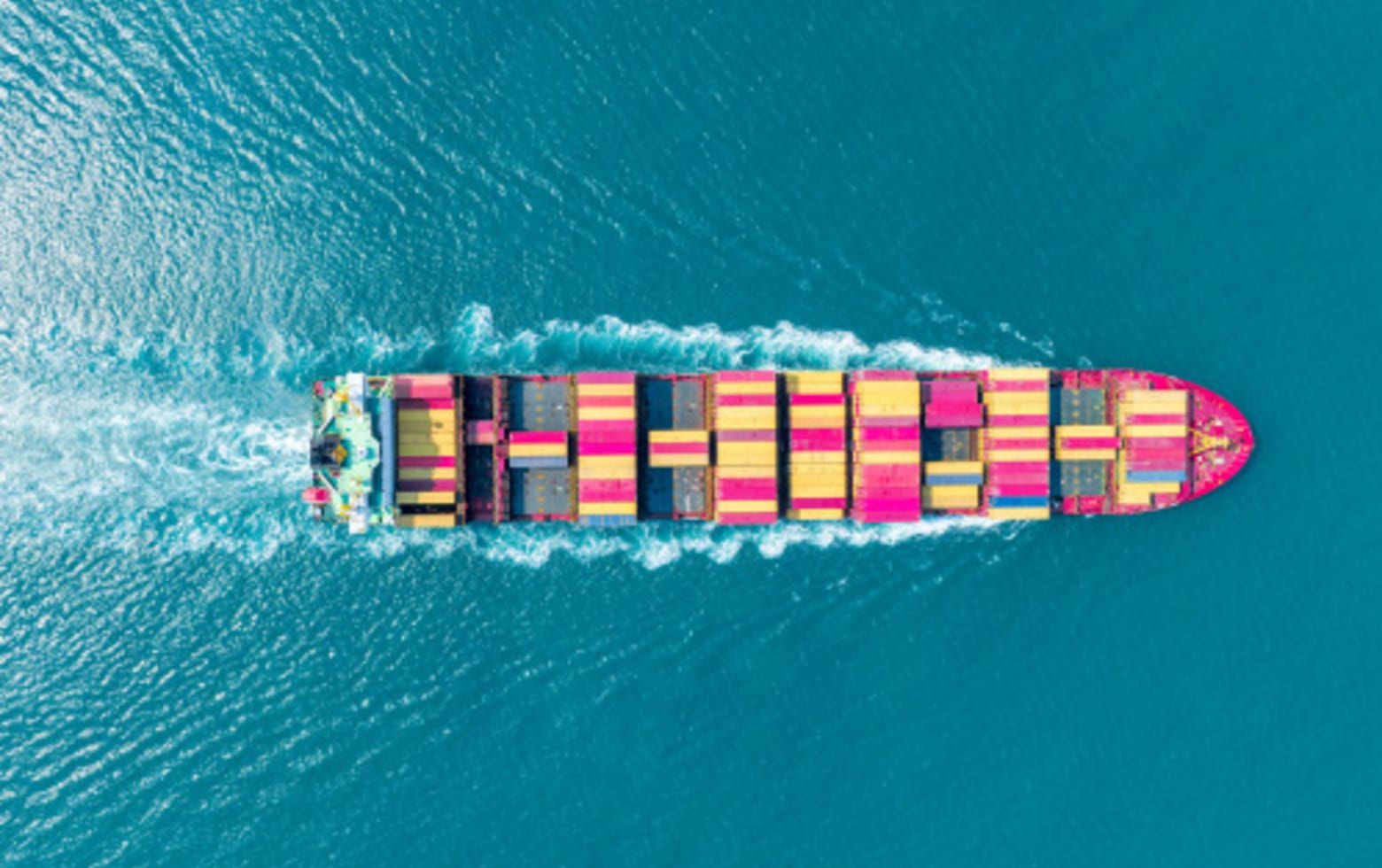
Some carriers have halted cargo bookings to several Middle Eastern destinations or imposed additional fees that can reach several thousand dollars per container. These measures reflect the higher costs of operating in a conflict zone and the need to protect crews, vessels and cargo. However, the sharp rise in transport costs has alarmed Chinese officials, who fear the disruption could undermine trade flows and increase pressure on exporters already navigating uncertain global markets.
China’s exports to the Middle East have grown significantly in recent years, making the stability of shipping routes in the region increasingly important. Beijing has previously intervened during periods of extreme freight volatility, including during the pandemic, when global container rates surged.
The latest intervention highlights the broader economic risks posed by the conflict, as disruptions to key maritime corridors threaten to ripple through global supply chains, raise shipping costs and slow international trade if instability persists.