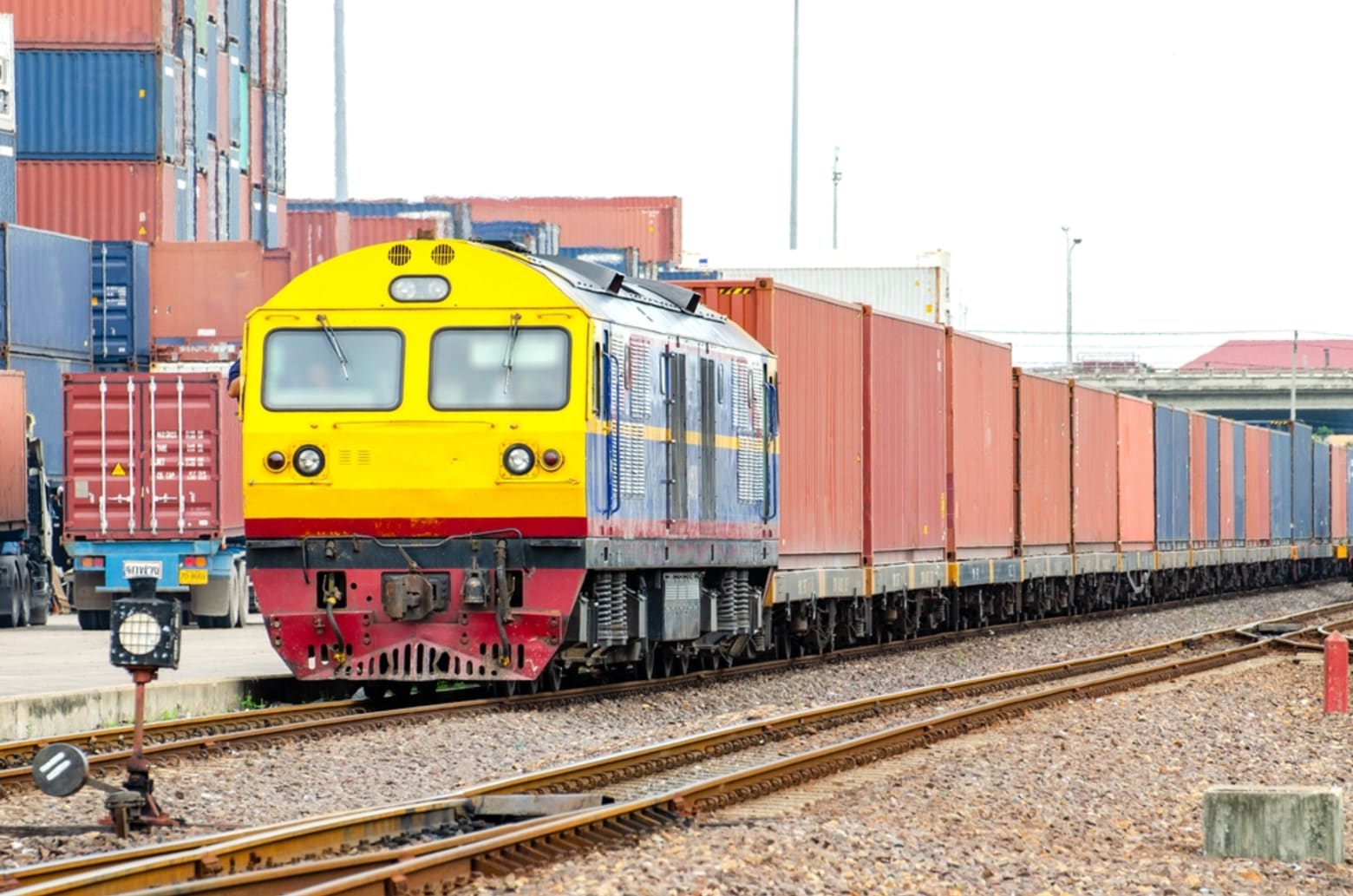
Hydrogen technology could offer a future low-carbon alternative for freight trains and shunting locomotives, even as its role in passenger rail remains uncertain. Engineers and rail experts believe hydrogen may be particularly suited to freight operations, where diesel engines still dominate and electrification remains limited.
Several technologies are being explored to bring hydrogen into rail freight. One approach uses hydrogen fuel cells similar to those deployed in some passenger train trials, while another involves modified internal combustion engines that burn hydrogen but operate in a similar way to diesel systems. A third concept combines hydrogen-fuelled steam generators with turbines to produce power for locomotives.
Despite this potential, significant obstacles remain. A major challenge is hydrogen storage. Freight locomotives currently carry thousands of litres of diesel, but hydrogen requires far more space to store the same amount of energy. This could mean adding dedicated hydrogen tank wagons to trains, which would reduce the number of cargo wagons and potentially affect profitability.
Cost is another barrier. Hydrogen remains relatively expensive compared with conventional fuels, and wider infrastructure for production and distribution is still developing. However, industry experts say the technology could become more viable if governments expand hydrogen production and introduce incentives for its use.
Shunting operations in rail yards may provide an earlier opportunity for hydrogen adoption. These locomotives operate at low speeds and require less power, making them a more practical starting point for hydrogen traction as the rail sector works to reduce emissions.