The government has announced a £3billion boost for services and infrastructure across the UK that are expected to provide cheaper and more reliable bus servicers for passengers.
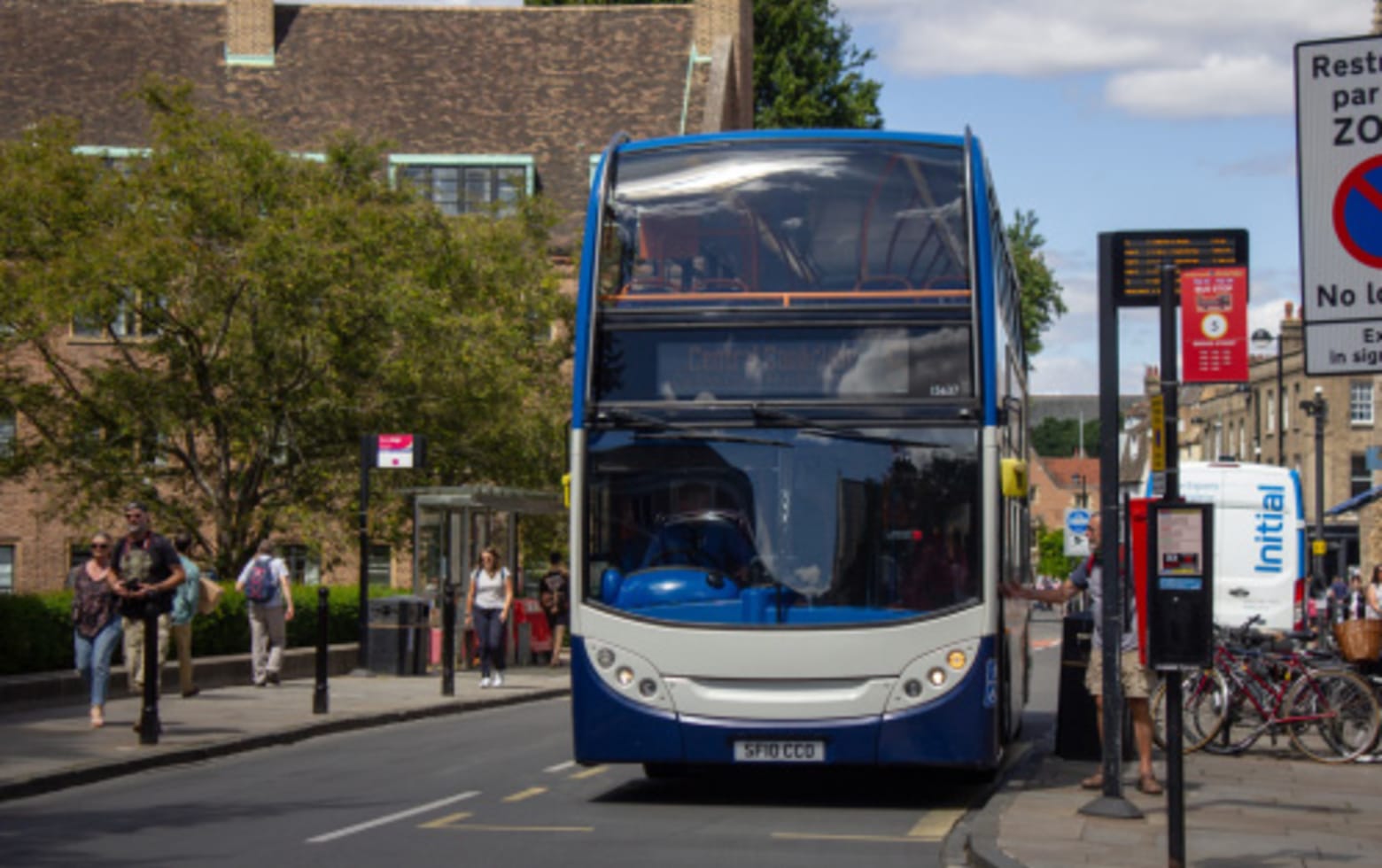
As part of the investment announced on 5 December, multi-year funding will be given to councils to spend “whatever way they see fit.”
This could include lowering bus fare prices, introducing new routes and zero emission buses or creating safer bus stops.
Offering expert commentary on the announcement, Austin Birks, Vice Chair and Chair of the CILT(UK) Bus and Coach Forum said:
“It’s welcome to finally see a multi-year settlement approved, providing greater certainty for the sector.
"At typical industry costs, the revenue pot announced would be sufficient to support the deployment of at least 2,500–3,000 vehicles a year across England.
"Yet there is still no clarity on the long-term future of the BSOG funding stream, which continues to hinder forward planning. And while the funding uplift is significant, the capacity and capability of many councils to deliver at these enhanced levels remains a real challenge.”

Everything you need to know about the Bus Services Act
The government’s Bus Services Act has now officially become law as of the 27 October 2025. But what does this mean for local leaders and bus operators? The Chartered Institute of Logistics and Transport UK (CILT UK) offers commentary and are here to break it down.

Bus experts call for funding clarity and zero-emission plan as new Act becomes law
Experts at the Chartered Institute of Logistics and Transport in the UK have welcomed the rubber stamping of the Bus Services Act 2025 as a long-awaited opportunity to reshape England’s bus network.
Government unveils £104m boost for local transport outside major cities
The government has announced a £104 million boost to support travel improvements in communities outside England’s major cities.