08 September 2026
CILT(UK) celebrate 30 years of the Logistics Research Network Conference
CILT(UK) were proud to hold the 30th Annual Logistics Research Network Conference, from Wednesday 2 to Friday 4 September, hosted this year by Liverpool John Moores University.

Day One began with a PhD & Early Career Researcher Workshop, led by Liz Jackson, followed by a networking lunch where the delegates were welcomed to LJMU by Professor Keith George, Pro-Vice Chancellor for Research and Knowledge Exchange at LJMU, and Dr Christian Matthews, Director of the School of Engineering and the Built Environment at LJMU. The pair discussed the history of logistics in Liverpool and the intersection of societal changes and challenges facing the industry today.
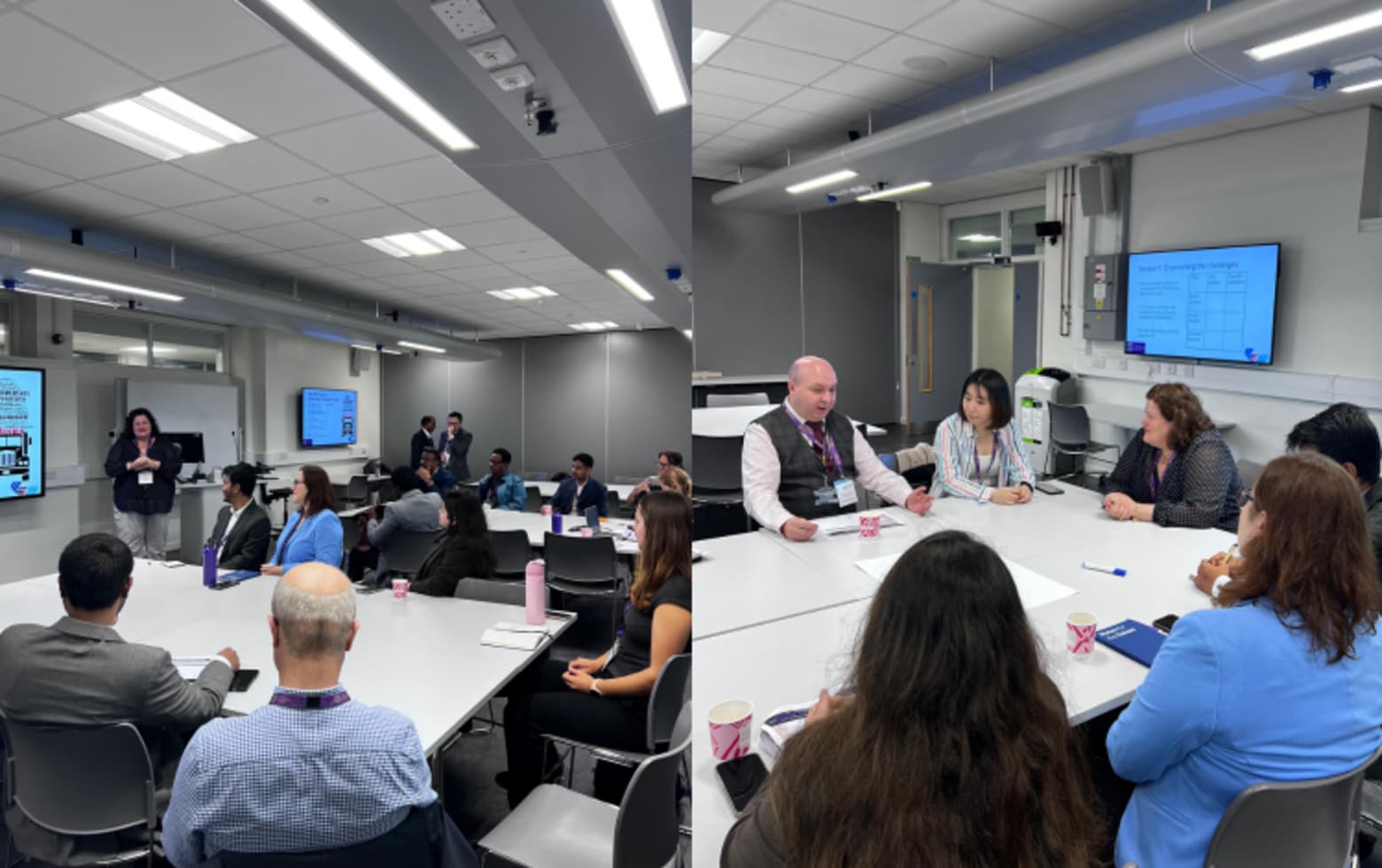
The conference was opened by Dr Dimitrios Paraskevadakis FCILT, LRN Conference Chair, who discussed his own career journey and introduced the agenda for the three days, followed by Professor Vasco Sanchez Rodrigues from Cardiff University, the Chair of CILT(UK)’s LRN Forum, who discussed the evolution of LRN and importance of events such as these.
Our first keynote speaker of the conference was John Lucy FCILT FIEx, Founder and CEO of John Lucy International, a senior transport and logistics leader with over 40 years of experience. John discussed the current geopolitical climate, and the impact that has had on global supply chains, and the rise of the electric vehicle market in the UK.
The second keynote session of the day was by Ruth Wood, CEO of Mersey Maritime, who discussed maritime’s economic impact in Liverpool, where the third busiest estuary in the UK is located, and the necessary future skills in regards to data analytics, autonomous systems, cyber resilience and low carbon fuels.
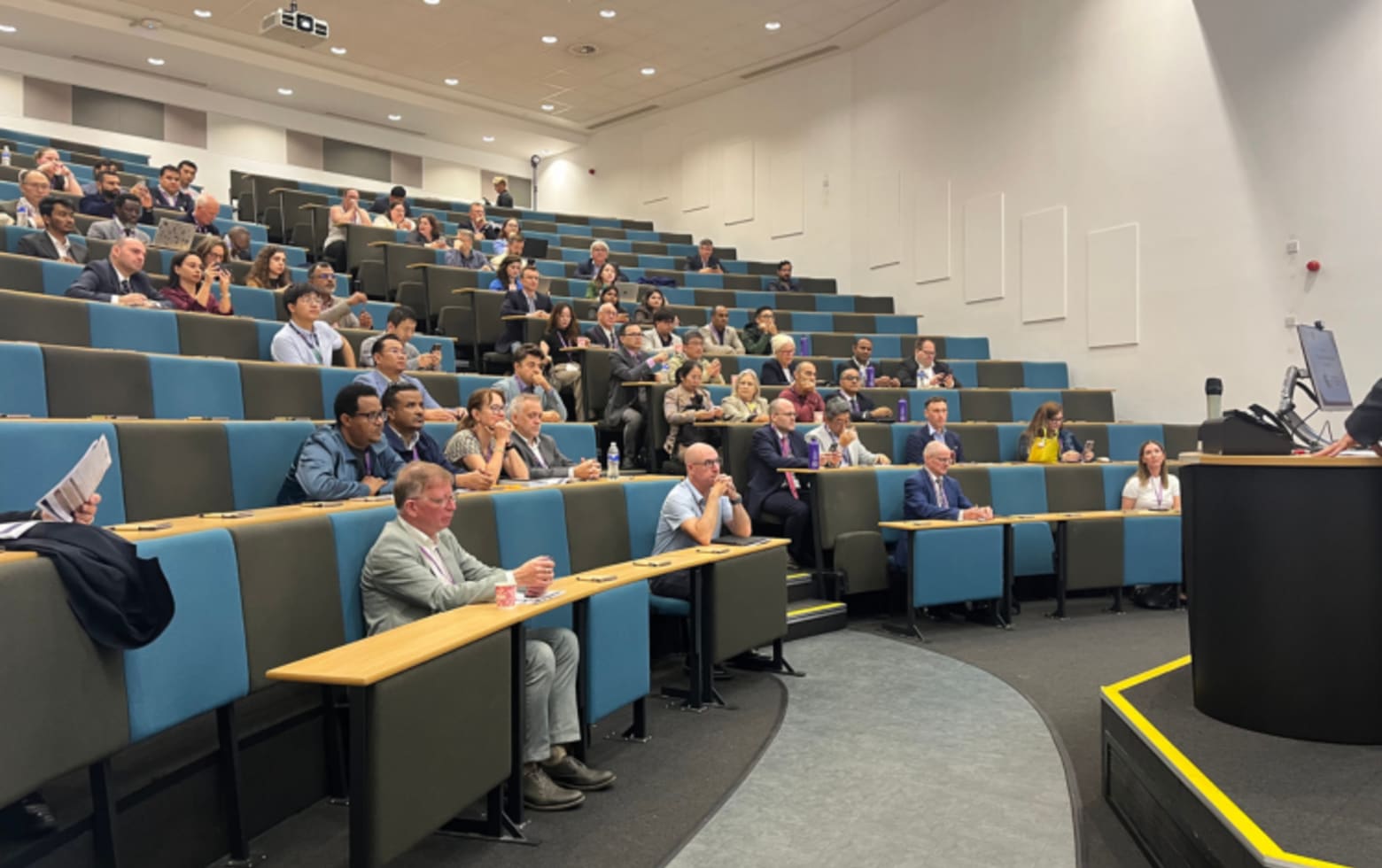
After the keynote sessions, our first parallel research sessions began, covering topics such as: Sustainable freight, decarbonisation and modal shift; Digital supply chains and AI; Port and Maritime logistics; and Global trade and supply chain sustainability. These sessions allowed for delegates to present their research findings, share knowledge and discuss solutions to ongoing problems within the sector.
Day One ended with an Awards Ceremony and Dinner, celebrating the research and accomplishments of professionals within our industry. Congratulations to:
Rosie Cullen Targett, from Cardiff University, for the best MSc dissertation - ‘Renewable Energy in UK Ports: Systemic Barriers, Enabling Factors, and Decarbonisation Strategies’
Dr Ruikai Su, from Cardiff University, who won the James Cooper Cup for the best PhD dissertation - ‘Modelling and Estimation of In-port Ship Emissions: A Scalable Multi-stage Data-driven Framework’
The winners of best paper for Impact Excellence – ‘Iterative Stakeholder-Driven Development of an Interactive Online Planning Tool for Electric HGV Charging Infrastructure in Scotland’ - Fariya, Utomo, Logan, Cole, Kodikara, Walker, Greening, O’Connor and Gripton from Heriot-Watt University

Day Two began with our third keynote session of the conference by Professor Phil Leigh, from the University of Cumbria, on ‘The Irish Sea Rim – Strategic Logistics and Regional Connectivity’. This session focused on how ports and logistics support employment, manufacturing and international trade around the ISR.
The morning continued with a set of parallel research sessions on: Port and maritime logistics; Farming and livestock supply chains; Logistics education, employability and leadership; and Global trade and supply chain sustainability.

After a networking lunch, Professor Geoff Clarke, Chair of the Environmental & Sustainability Forum at CILT(UK), moderated a freight decarbonisation industry plenary which included sessions on policy, operations, zero-emission vehicles, and sustainable infrastructure. This plenary concluded with an industry panel on decarbonisation challenges and solutions with Kelly Hobson, Chris Rowland, Louis Jones, Tim Morris, and Professor Thanh Trung Nguyen.

Day Two concluded with further parallel research sessions, then a closing speech by Helen Hardy, CEO of CILT(UK):
“And that brings Day Two to a close. Thirty years of LRN is a remarkable achievement, but what matters most is not the longevity - it’s the contribution of ideas shared, questions challenged, the evidence debated and the thinking that has been provoked. Because research only really matters when it changes how we understand something and, ultimately, how we do something.
“So, as you leave today, I hope you take away one new idea, one new question, and perhaps one assumption you’re prepared to challenge.
“Thank you for your contribution to LRN over 30 years - and here’s to the next 30!”

The third and final day of the conference kicked off with further parallel research sessions on ‘Sustainable freight, decarbonisation & modal shift’ and ‘Last mile & urban logistics’, followed by two concurrent workshops. The first workshop, ‘Towards a UK Subject Benchmark for Transport, Logistics and Supply Chain Management Education’, began with an evidence presentation by LRN Conference Chair Dr Dimitrios Paraskevadakis FCILT and Dr Robyn Pyne from LJMU, followed by a session on workforce development, skills gaps and graduate readiness by Domina Monka from Home Bargains and Zara Nash, University Programme Manager from Novus. The second workshop, ‘Decarbonisation and last-mile logistics’, began with an evidence presentation by Matt Lott from WSP and Jay Daniel from the University of Derby, followed by a session on the zero-emission vehicle transition in practise, fleet data and deployment experience by Dominic Scholfield FCILT from Cenex.

The conference finished with a closing plenary on research synthesis and workshop outcomes by Professor Paul Townsend, Faculty Pro-Vice Chancellor for Health Innovation, Technology and Science; Professor Britta Gammelgaard, Editor-in-Chief at The International Journal of Logistics Management; LRN Conference Chair, Dr Dimitrios Paraskevadis FCILT; and Dr Jay Daniel from the University of Derby. Professor Vasco Sanchez Rodrigues then announced that LRN 2027 will be held at Cranfield University. After lunch, some delegates then got the opportunity to stay on campus for the afternoon and experience LJMU’s brand new, state-of-the-art Full-Mission Maritime Bridge Simulator.
“The 2026 Logistics Research Network conference saw the coming together of industry professionals to share thought-provoking research and insights into current issues affecting our sector. Celebrating its 30th year, LRN 2026 provided a fantastic opportunity for researchers, academics and industry professionals to collaborate and share thoughts on solutions to real-world problems that are currently prominent within logistics, transport and supply chains. The sense of community was tangible, and I was thrilled to be a part of it. A huge thanks to the LRN Forum, Liverpool John Mores University and the CILT(UK) team who made this such a huge success!”