Logistics and transport experts are warning that new housing developments across the UK risk being unfit for modern life unless they are designed with both public transport and delivery infrastructure in mind.
From high-rise city living to new homes in rural communities, the way people live has changed significantly - yet many developments are still being built without considering how people and goods move on a daily basis.
The concerns come from the Freight and Logistics Policy Group within the Chartered Institute of Logistics and Transport in the UK (CILT UK), which is highlighting the growing gap between how developments are designed and how people actually live.
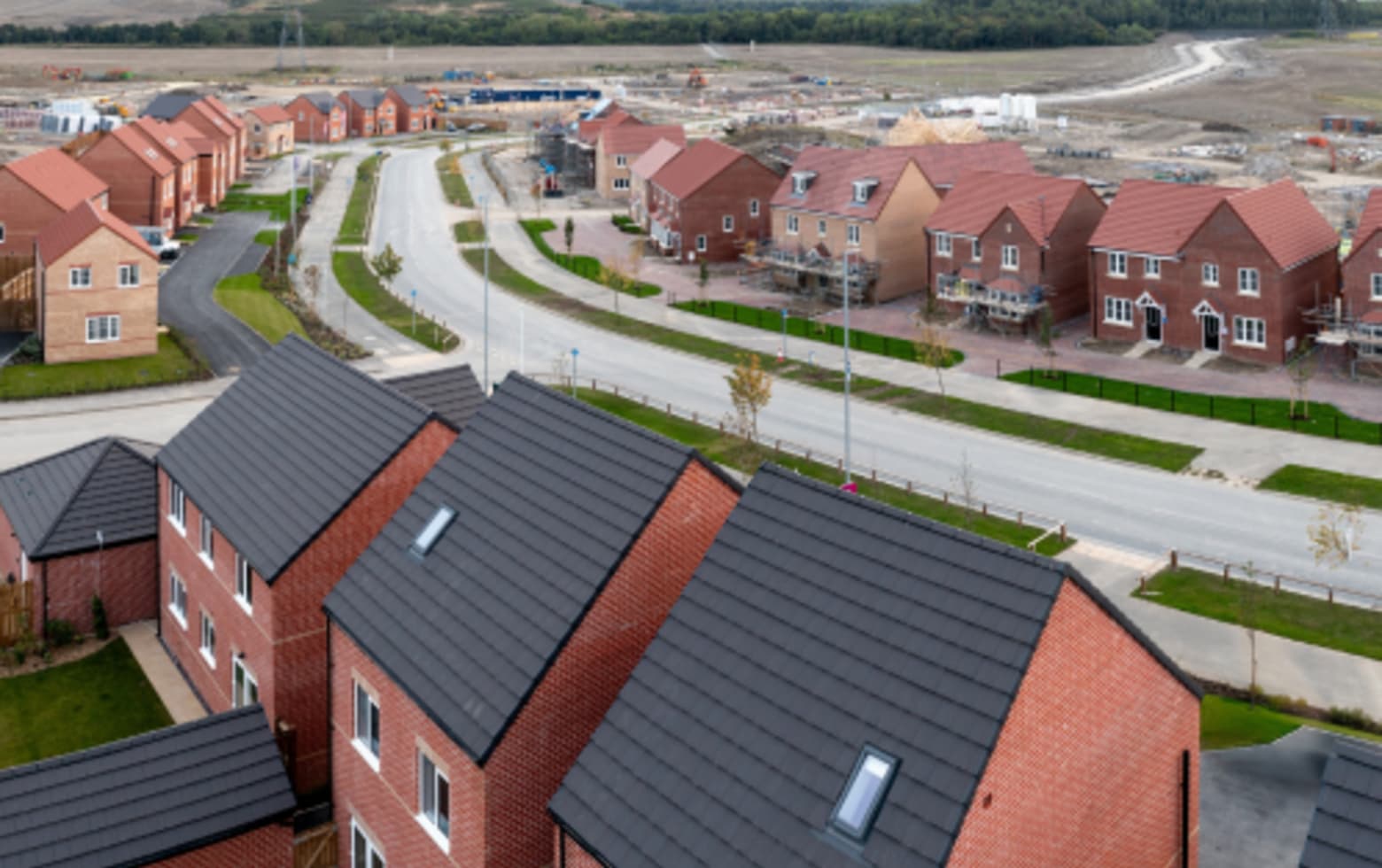
With online shopping, grocery deliveries and on-demand services now a routine part of everyday life, the volume of deliveries to homes has surged. At the same time, policy and planning is increasingly focused on reducing reliance on private cars - particularly in urban areas - placing greater importance on accessible and reliable public transport.
Despite this, many new developments lack designated delivery spaces, leading to unsafe parking, congestion and delivery inefficiencies. In urban areas, this is particularly evident in high-rise buildings where drivers have limited or no access. In rural developments, the challenge is compounded by poor or non-existent public transport links, leaving residents heavily dependent on cars.
CILT(UK) is calling for a fundamental shift in how developments are planned, ensuring that both logistics and public transport are considered from the outset rather than as an afterthought.
Ian Wainwright, CILT (UK) Freight and Logistics Policy Group vice chair, said:
“Across the UK, we are seeing new developments - whether high-rise buildings in our cities or new homes in rural communities - being delivered without fully considering how deliveries and transport will function in practice. Delivery drivers are essential to keeping the economy moving, yet too often they are left without safe or suitable places to stop.
“At the same time, failing to integrate public transport from the outset risks creating communities that are car-dependent and less sustainable. These are not future challenges - they are happening now, and they must be addressed at the planning stage.”
The organisation is calling for:
The inclusion of designated delivery and loading areas in all new developments
Safe, practical access for delivery drivers to reduce disruption and improve efficiency
Early-stage planning for public transport connectivity, particularly in rural and edge-of-town developments
Greater collaboration between developers, planners, and transport professionals
CILT(UK) emphasises that addressing these challenges at the planning stage is far more effective and cost-efficient than retrofitting solutions later.
Ian added: “We have a real opportunity to get this right as we build the homes and communities of the future. By designing in space for deliveries and ensuring public transport is part of the plan from day one, we can create places that are more efficient, more sustainable and better suited to the way people live today.”