The number of ships that have reported being attacked in and around the Strait of Hormuz has hit a record high, with twelve vessels attacked between Monday 5 and Sunday 11 October alone. This is the largest number of weekly strikes reported since the US-Israeli war with Iran began, with six of the vessels being struck in a single day, making it a one-day high.
BBC Verify collated incident reports published by the UK's Maritime Trade Operations (UKMTO) agency on its website and created an approximate timeline based on the first date cited in each report.
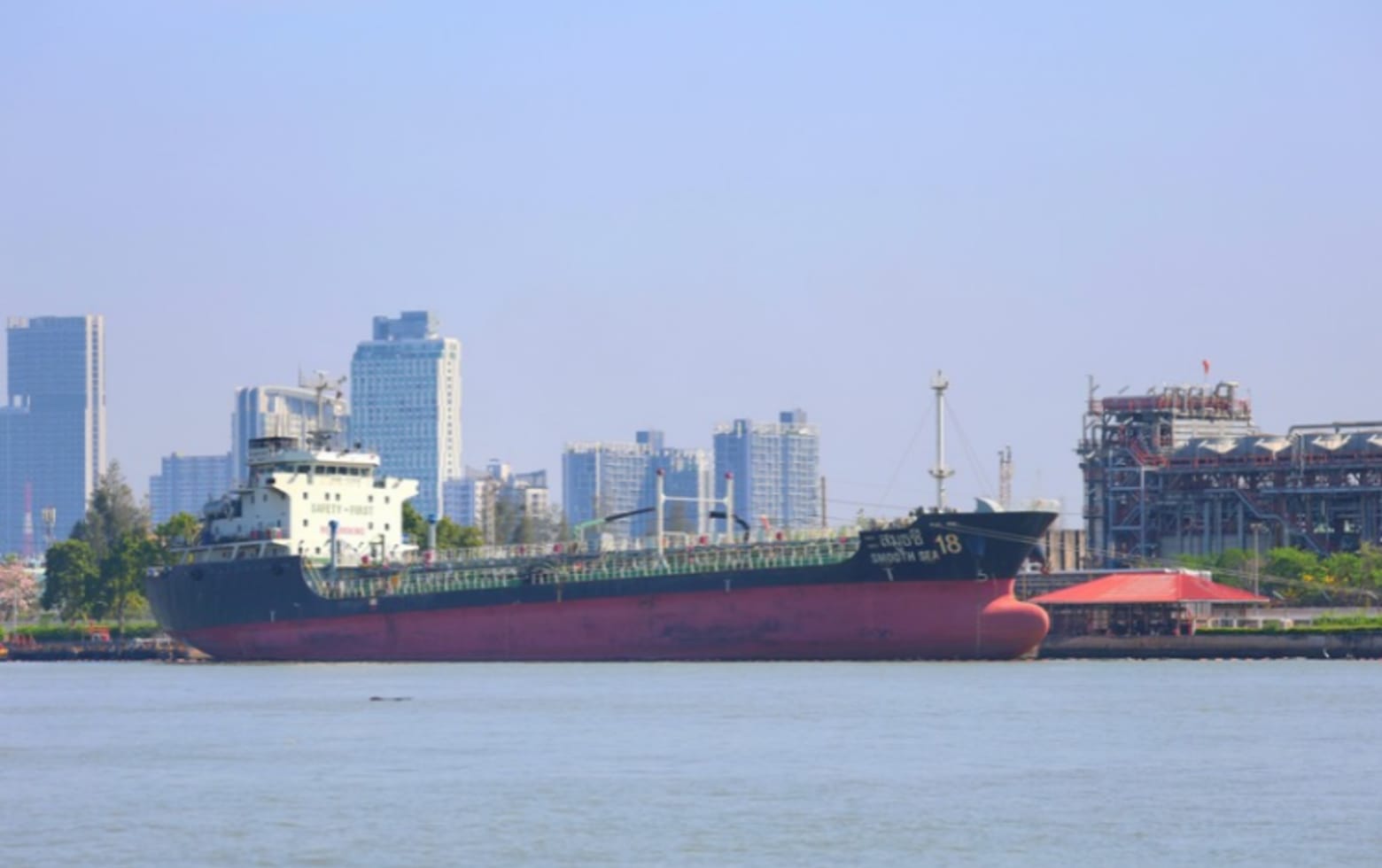
Experts say that Tehran, the capital of Iran, has been attacking ships in an effort to gain more control over the waterway, following an increase in the number of tankers that the US military is sending through the south of the strait to evade Iranian strikes. However, the US military's Central Command, which oversees operations in the Middle East, announced that, despite the attacks, "commercial traffic continues to flow through the Strait of Hormuz with co-ordinated protection from US forces and regional partners".
Industry data suggests that as the number of strikes has risen, the recovery in oil shipments through the strait seen last month has slowed. Data from the trade intelligence firm, Kpler, shows that around 12.6 million barrels went through the strait on Tuesday 13 October, in comparison with a pre-war baseline of 17 million barrels per day.
The recent increase in attacks comes as US Navy data indicates that the number of vessels given assistance to navigate the Strait of Hormuz during the first 10 days of October was up 85% compared with the same period in August.
Martin Kelly, CEO of Orbital Risk Intelligence, told BBC Verify that Iran is widening its attacks and targeting ships near the coast of Gulf Arab states and in the Gulf of Oman, to deter others from advancing.