Britain’s car industry is facing a difficult decision, as manufacturers struggle to balance the benefits of Chinese and European markets ahead of looming trade measures that could restrict UK exports to the EU.
This comes after more than 300,000 Chinese cars have been sold in the UK so far this year, setting a fresh record as European rivals lose ground.
The UK is an outlier in choosing not to put import taxes on Chinese vehicles – with the US shutting them out almost entirely and the EU imposing duties of up to 45%.
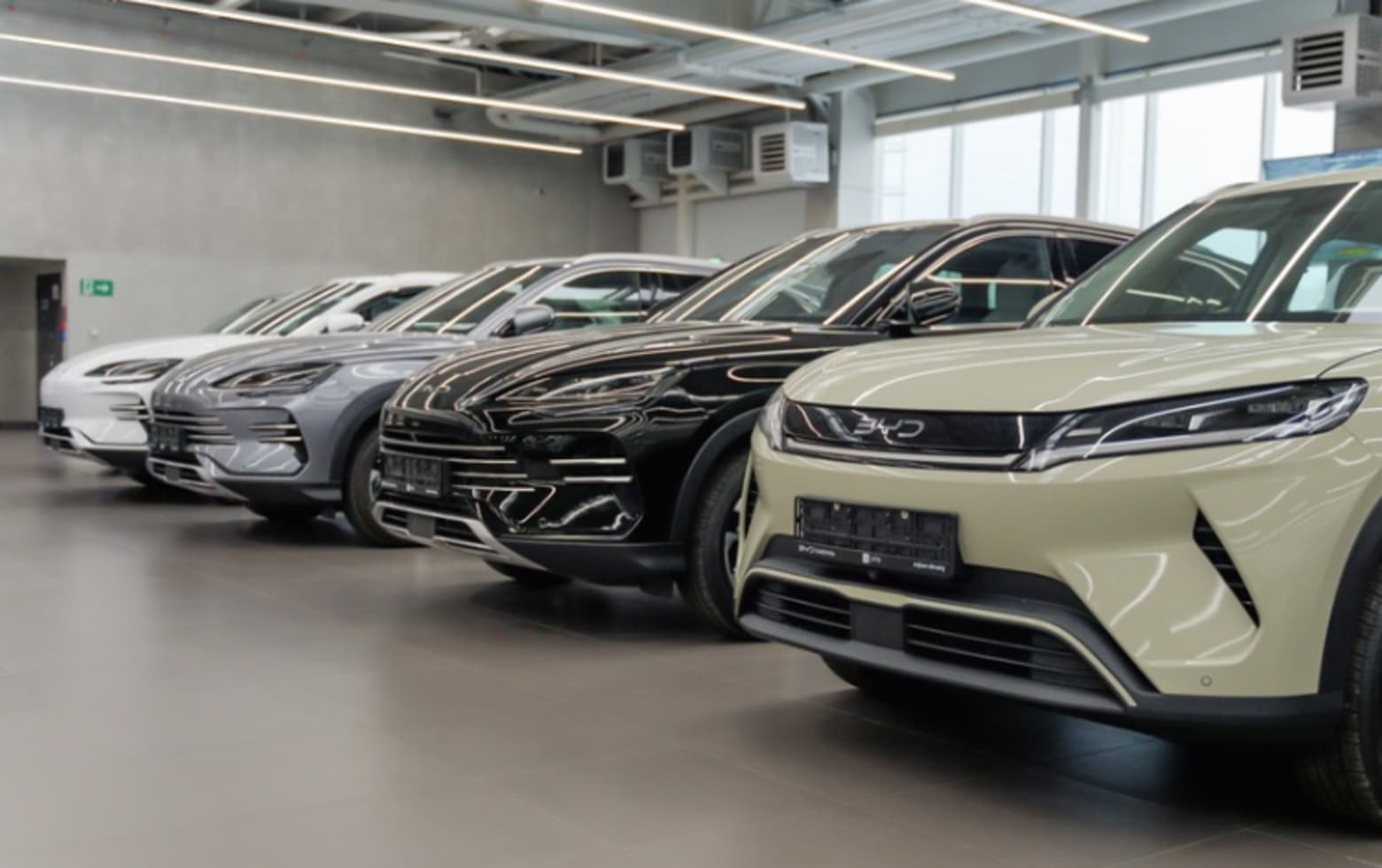
It is reported that EU officials warned Prime Minister Andy Burnham last month that the UK must put tariffs on cheap Chinese vehicles otherwise Brussels would impose protectionist “made in Europe” barriers on British exports to the bloc, affecting British carmakers in their biggest market. So far, ministers have resisted these warning, with Jonathan Reynolds, the business secretary, arguing that any levies could be reciprocated, which could cost UK manufacturers sales in China.
Tariffs would also raise prices for British drivers, who are often drawn to the cheaper Chinese models, and could deter brands such as Chery, which is in talks to build cars at Nissan’s Sunderland plant, from investing further in the UK. Currently, Chinese carmakers made up five of the top 25-performing brands in the UK from January – September 2026, according to data from The Society of Motor Manufacturers and Traders (SMMT) - accounting for just under a quarter of the market by volume.
Experts have said that this is a difficult decision for the UK, as the country cannot afford to keep using the two separate markets indefinitely. Chinese investment could be a mainstay for carmakers, while access to Europe would also be vital for smaller manufacturers. Therefore, manufacturers need clarity on which direction the government will move in, so that they can plan for the future.
Figures released on Friday showed that British new car registrations rose 12% in the year to September, the best month for annual growth since 2017. The preliminary data from the SMMT revealed that this boom was influenced by a demand for electric vehicles and Chinese brands. The trade body has said that the European Commission’s “made in Europe rules” pose an existential threat to British car production, with the EU accounting for 58% of UK car exports in the first half of the year, compared with about 4% for China. Brussels raised its own tariffs on Chinese EVs back in 2024, triggering a decline in what was then an accelerating sales trajectory.
Imports of plug-in and battery hybrid cars increased exponentially after the EU tariffs were imposed on EVs, underlining China’s ability to pivot its export efforts when hit by trade barriers.