A severe and long-running shortage of industrial and logistics space has cost the UK around 140,000 jobs and £9.7bn in economic output since 2010, according to new analysis by property firm Savills. The findings highlight the scale of missed economic opportunities caused by a lack of available warehouses and distribution hubs across the country.
The report suggests that demand for industrial space has consistently outstripped supply for more than a decade, with availability rates remaining below healthy levels. This imbalance has prevented businesses from expanding, investing, and operating efficiently, particularly in sectors that rely heavily on logistics such as retail, manufacturing, and e-commerce.
Experts say the shortage has effectively suppressed economic activity, with demand estimated to have been significantly higher if enough space had been available. As a result, many companies have been forced to scale back growth plans or relocate, leading to fewer job opportunities and reduced productivity across the economy.
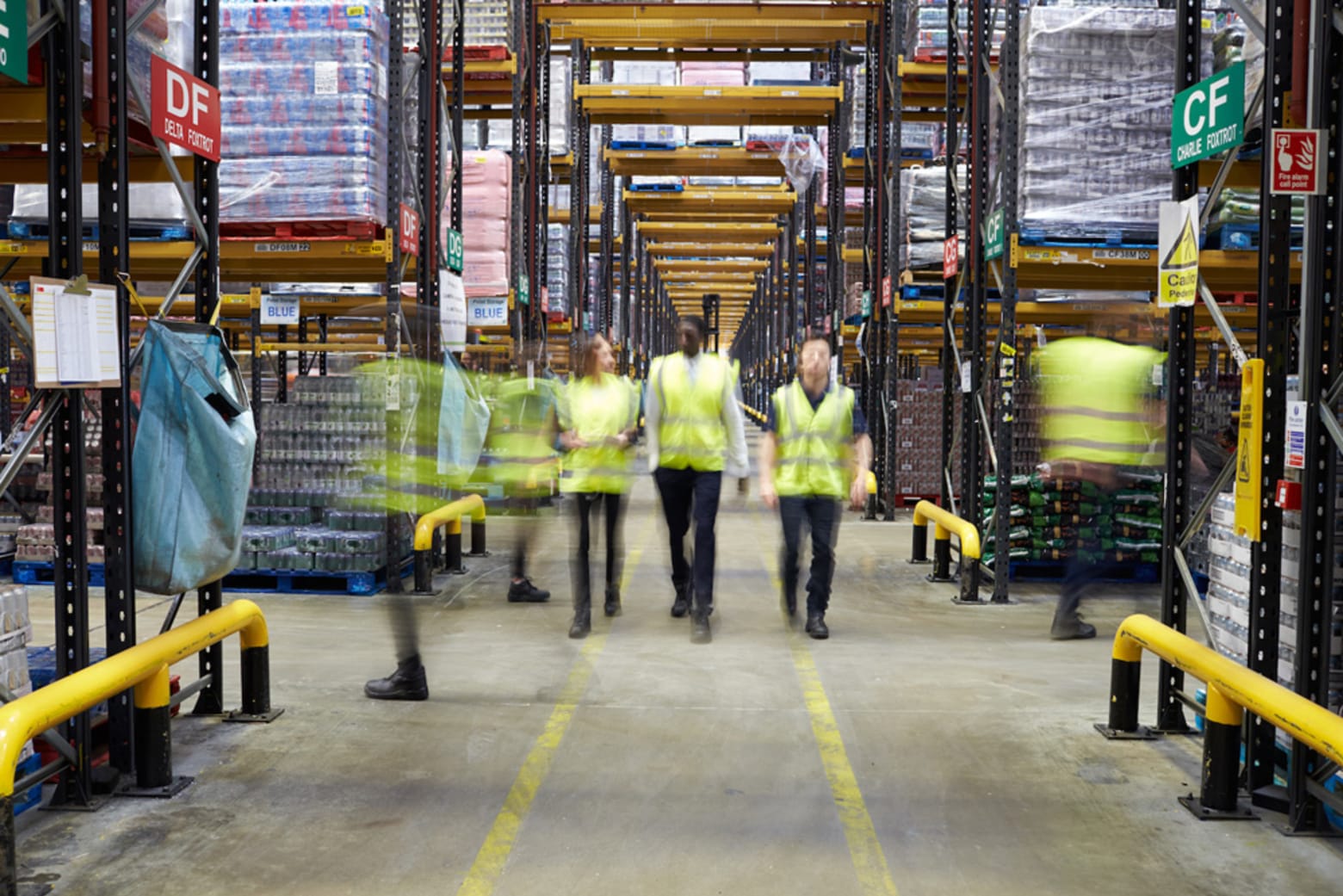
Planning constraints have been identified as a major cause of the problem. Limited land allocation for industrial use, slow planning processes, and a lack of clear policy targets have all restricted development. In many cases, land suitable for logistics has been diverted to other uses, further tightening supply and driving up costs for businesses.
The issue comes despite the growing importance of the logistics sector, which underpins a wide range of industries and supports millions of jobs nationwide. Demand continues to rise, driven by trends such as online shopping, supply chain resilience, and emerging sectors like data centres and life sciences.
Industry leaders warn that without significant reform and investment, the shortage could continue to hold back economic growth. Increasing the supply of industrial space is seen as essential to unlocking jobs, boosting productivity, and strengthening the UK’s long-term economic performance.