The Scottish National Party (SNP) has officially announced that Scotland’s buses will come back into public control, declaring that “it is time for Scotland to take the wheel for good.”
This comes after First Minister, John Swinney, pledged last month that Scotland’s bus network would be under public control by May 2031.
In their statement on Tuesday 10 November, the SNP claimed that the old system was leaving Scotland’s public transport to the “whims of commercial boardrooms”, with companies having the power to pull vital routes – leaving vulnerable members of the community isolated or stranded.
SNP has revealed that through their upcoming Better Buses legislation, they plan to put the “power back into the hands of local authorities and regional transport partnerships to bring networks back into public control through franchising and regulation”, under the belief that decisions about Scotland are “better made by the elected representatives of the people… who actually live in those communities.”
In their announcement, the SNP highlighted the “success” of their recent initiatives regarding free bus travel for 2.4 million people – which includes everyone under the age of 22 and over the age of 60, and eligible disabled persons – and their rollout of the £2 bus fare cap for half of Scotland’s population.
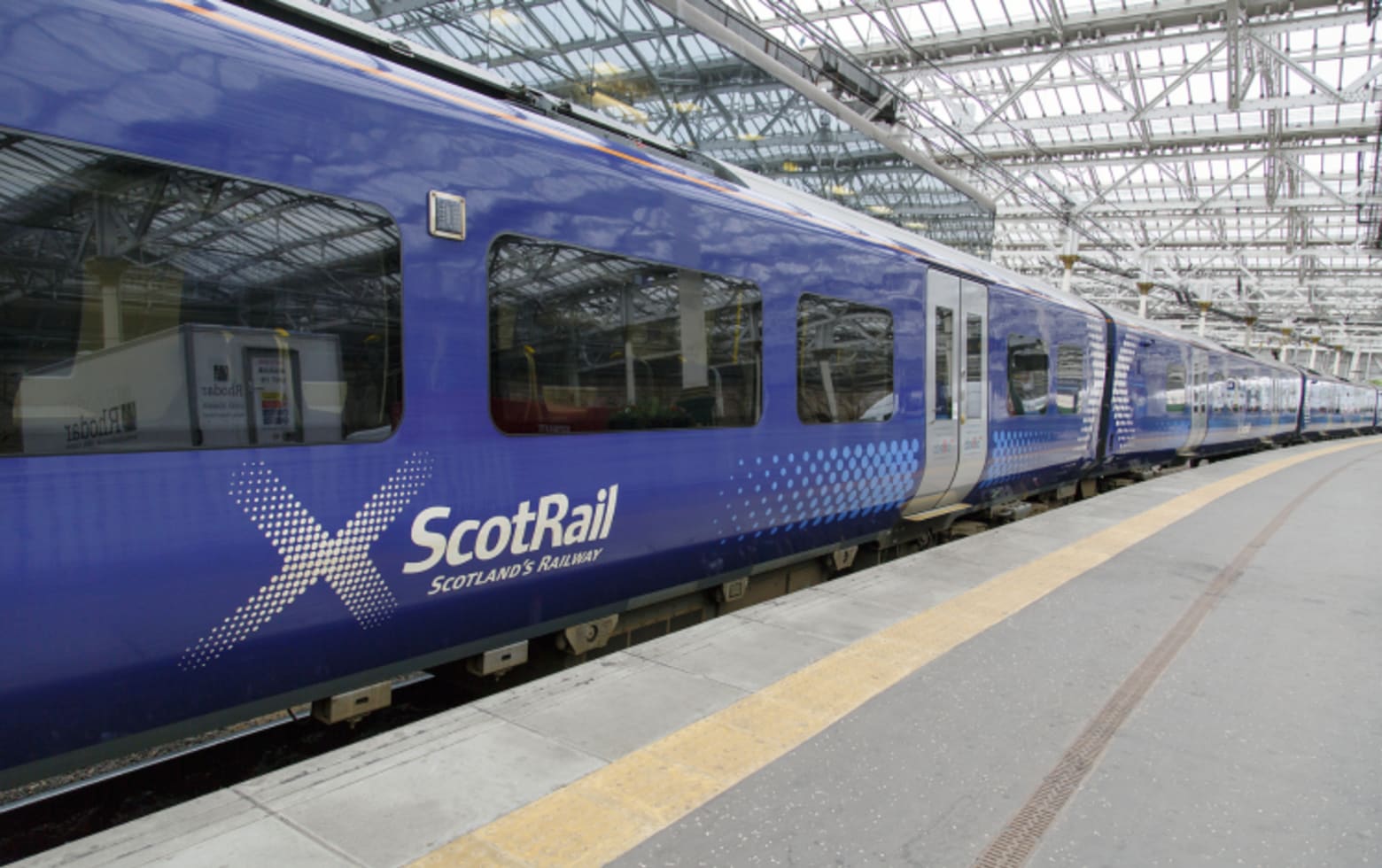
However, Members of the Scottish Parliament (MSPs) have been warned that this cap could lead to a significant loss in revenue for ScotRail, as passengers are swapping their journeys via rail to bus. According to ScotRail’s managing director, Joanne Maguire, the £2 bus fare - which is currently in place across Strathclyde, the Highlands and the Islands – has already cost the publicly-owned rail network an estimated £750,000 in lost revenue within one year. But it is predicted that this figure could rise to £20 million, with the SNP announcing that they are expanding the policy to Aberdeen and Aberdeenshire from April 2027.
David Green, Lib Dem MSP for Caithness, Sutherland and Ross, said that while the cap was making a difference, and he wants to see it succeed, Scotland’s buses and railway should be working together to offer more choice and more connected services for passengers – rather than forcing them to compete.
ASLEF, Britain’s trade union for train drivers, said it welcomed the bus fare cap but had concerns about how it might impact the rail industry, calling for the government to review the policy urgently and introduce an integrated ticketing system and lower fares for both train and bus travel.