High grid connection costs, electricity prices and financing risks are limiting the uptake of electric heavy goods vehicles (HGVs) among UK freight operators, according to a new report published by the Aldersgate Group and the Renewable Energy Association (REA).
‘Ready to Move: a framework for decarbonising UK HGVs’ calls for a coordinated government plan covering regulation, finance and charging infrastructure.
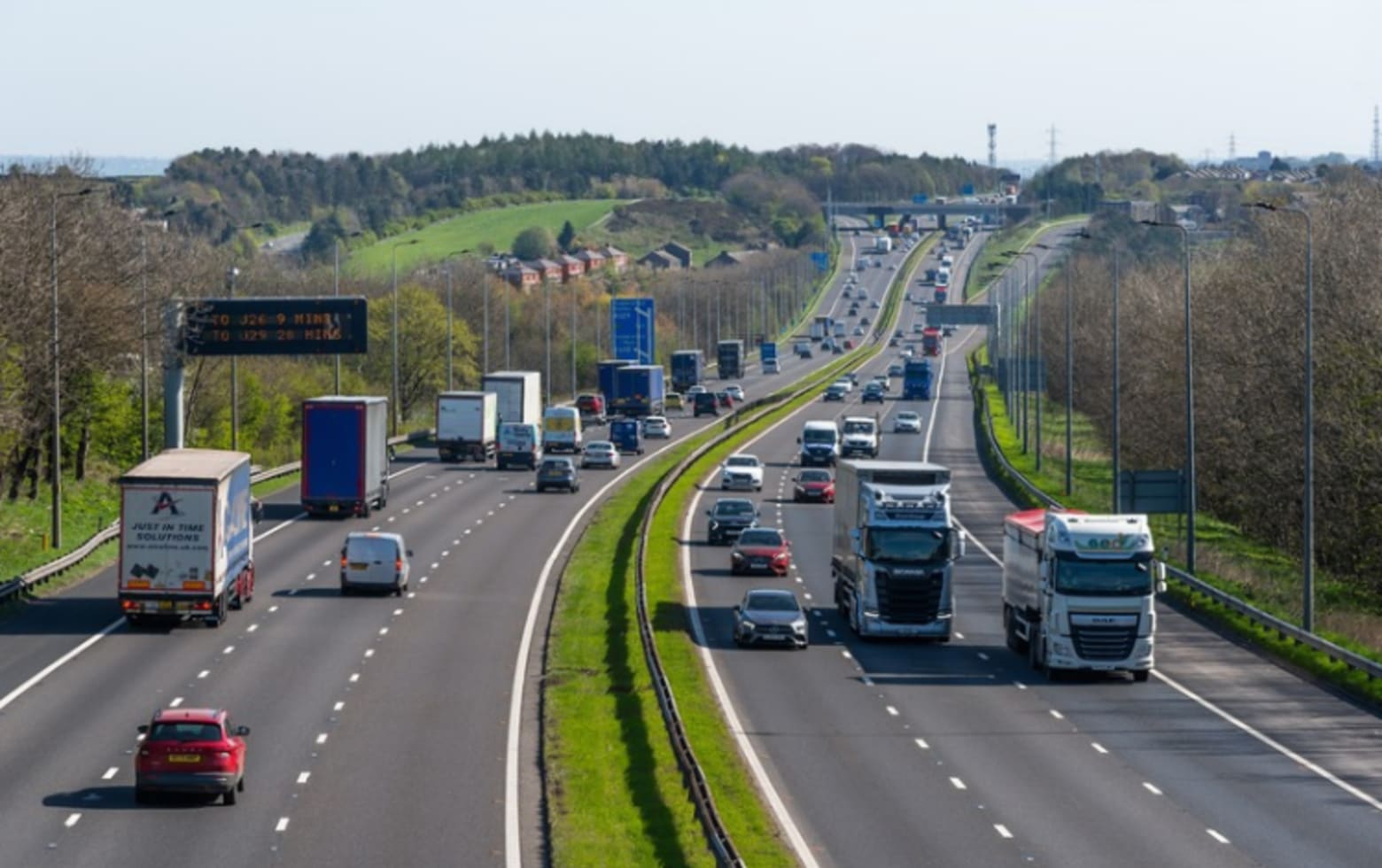
In 2025, GB-registered HGVs transported 1.53 billion tonnes of goods across the UK, while the sector accounted for almost 17% of domestic transport greenhouse gas emissions in 2024. Despite their role in freight, zero-emission vehicles represented just 0.3% of the UK's licensed HGV fleet at the end of June 2026, and figures from the Society of Motor Manufacturers and Traders reveal that zero-emission trucks accounted for 1.1% of new HGV registrations in Q3 of 2026.
The report argues that a long-term regulatory framework is needed to give operators greater assurance when investing in vehicles and infrastructure - recommending a retention of the planned 2035 and 2040 phase-out dates for new non-zero-emission HGV sales.
Another part of the proposed framework includes financing measures, including targeted guarantees for residual vehicle values and loans to small and medium-sized enterprises (SMEs), delivered through the National Wealth Fund and British Business Bank. The report also suggests standardised battery-health information to help lenders and second-hand buyers assess electric trucks, as well as steps to improve smaller operators' access to competitively priced electricity.
These proposals align with CILT(UK)’s call to the Chancellor to accelerate investment in cleaner transport - warning that rising fuel and electricity costs are putting pressure on transport operators, logistics businesses and supply chains across the country. The Institute is calling for measures to control costs, keep goods moving and support investment in sustainable transport, helping the sector transition to cleaner and more resilient operations.
Daniel Parker-Klein, Director of Policy and Communications at CILT(UK), said:
“The Government should increase support for the electrification of freight transport, across both road and rail, and address the barriers that make the transition more difficult. This includes supporting short-sea ferries and ensuring ports have the affordable electricity and reliable grid connections needed to provide shore power to vessels at berth.
“The Autumn Budget is an opportunity to provide practical support for cleaner transport while recognising the essential role logistics play in the UK economy.”