Panama Canal's operator is due to cut the number of vessels passing through due to low rainfall caused by El Niño.
The Panama Canal Authority told shipping firms on Thursday that 32 vessels a day will be able to pass through it from Tuesday 15 September, compared to 36 currently. This comes after the announcement that the maximum authorised draft for Neopanamax vessels was reduced to 49.5 feet in July, a preventive measure designed to conserve water amid rising weather uncertainty.
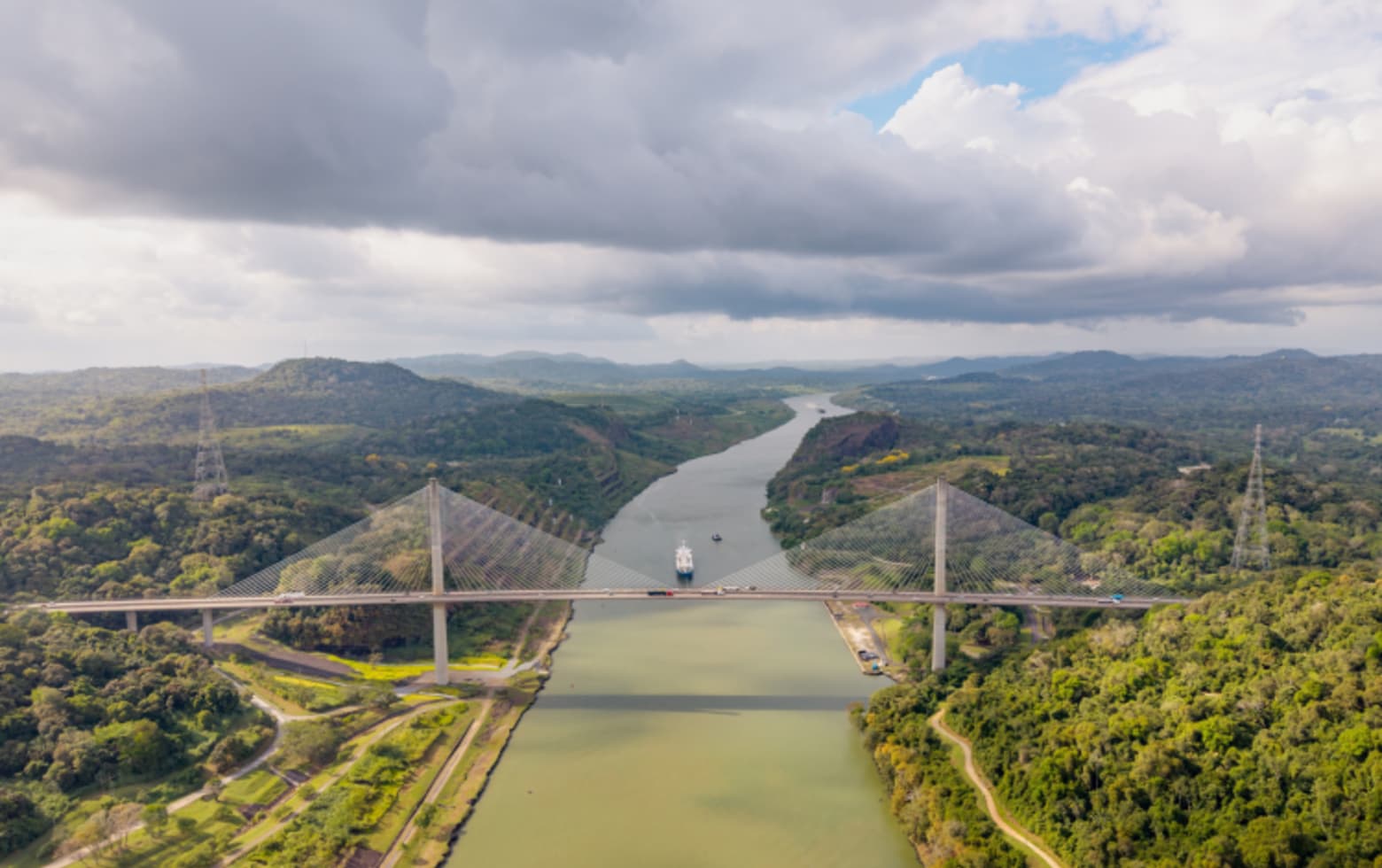
El Niño is a pattern of periodical sea surface warming which affects weather systems across the world. The latest forecasts suggest that this year’s El Niño cycle could be one of the strongest seen in decades, with disruptions to weather, food supplies and economies. Its effects are made more intense by climate change – reviving concerns across container shipping as trade lanes are already under pressure due to geopolitical disruption and limited canal capacity.
The potential impacts of El Niño include delays in shipments, imports and exports; port congestion; rising logistics and transportation costs; and greater risk of damage to cargo during transit.
The Panama Canal Authority said the measures were being put in place to preserve service reliability and safeguard water resources for human consumption. It added that, despite the arrival of the rainy season in Central America and some water-saving measures already being put in place in the canal, additional action was needed to support the long-term durability of transit operations.
The Panama Canal greatly reduces the time and distance that ships must travel between the Atlantic and Pacific oceans. Around 14,000 ships per year use the artificial waterway which operates 24 hours a day, 365 days a year. As well as being a crucial route for global trade, it is also a key source of income for Panama, bringing in about $3bn (£2.2bn) a year.
Climate risks are now a part of the operational reality for businesses and can affect various stages of the supply chain, therefore more companies are implementing prevention and protection strategies to ensure the continuity of their operations.