Improved priority measures in England, that increase the average bus speeds by 10%, could generate 147 million additional journeys per year, according to an independent analysis carried out on behalf of the Confederation of Passenger Transport (CPT). That is the equivalent to every bus trip in Greater Manchester.
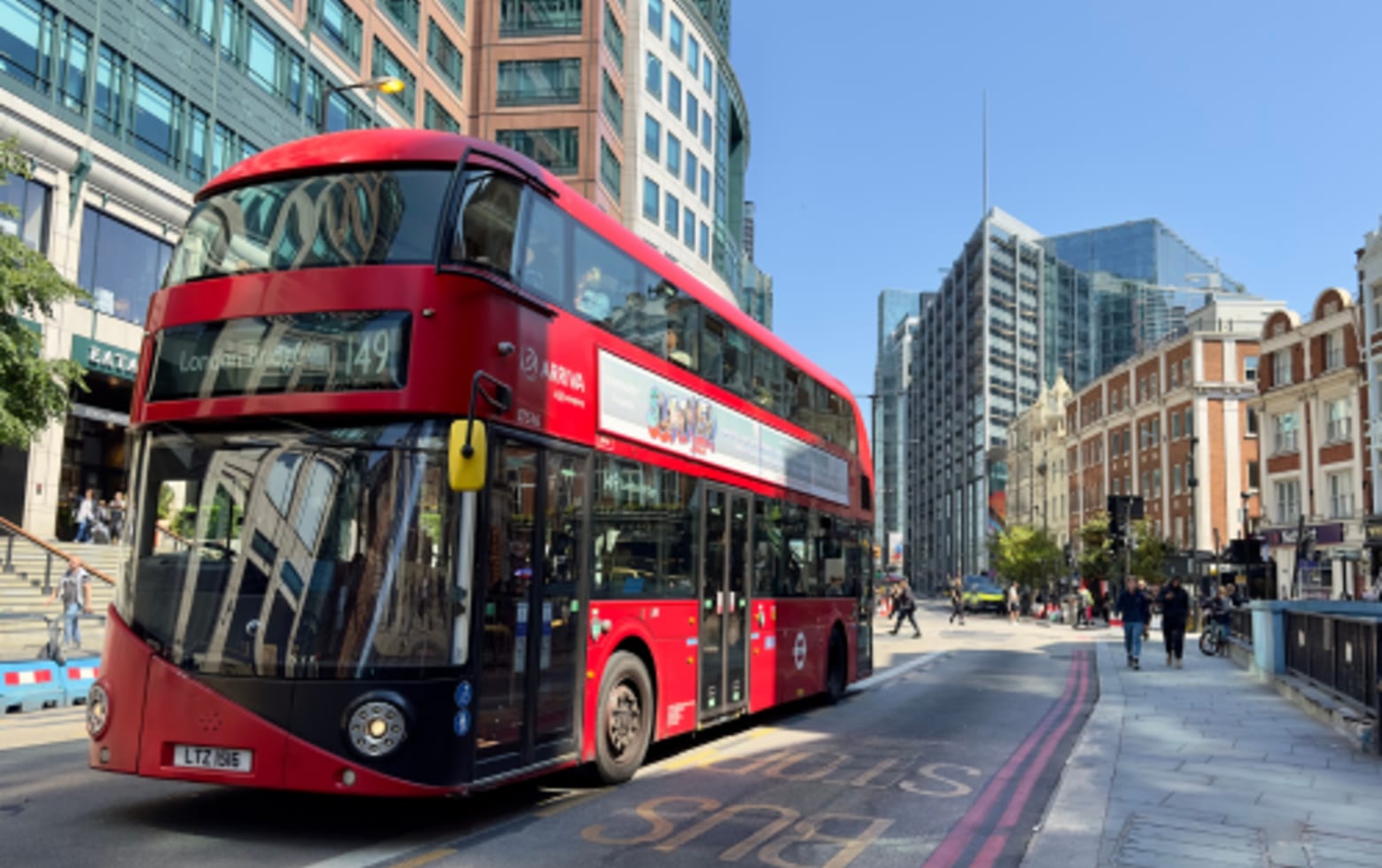
Through a positive effect on operators’ bottom lines, this change could open up the funding to buy 1,600 new zero-emission vehicles, according to the CPT. They are calling for bold measures to provide greater priority for buses, with the acceleration able to deliver a claimed £5 billion of economic benefits in England. CPT believes that a 10% increase in bus speeds would be transformational for public transport and the wider economy.
CPT commissioned research has found that buses in England travel at an average speed of 7.1mph in London, and 11.7mph across the rest of the country. Better priority measures for buses would allow those speeds to be easily improved by one-tenth, reducing journey times and increasing reliability. This change could enhance 2.6 billion bus journeys already taken per year in England and generate the 147 million extra trips, while reducing operating costs by 7.5% per year, with cost savings of £511 million.
This work on average bus speeds in England follows similar studies that took place in Scotland and Wales earlier this year, and repeated calls from CPT for action.